Publication
-
COMMUNALFritz Haeg and Stacy Wakefield Forte
AuthorsTimber Press/Hachette Book Group, 2027 -
GRANTEE
Salmon Creek ArtsGRANT YEAR
2026

Madlener House
4 West Burton Place
Chicago, Illinois 60610
Telephone: 312.787.4071
info@grahamfoundation.org
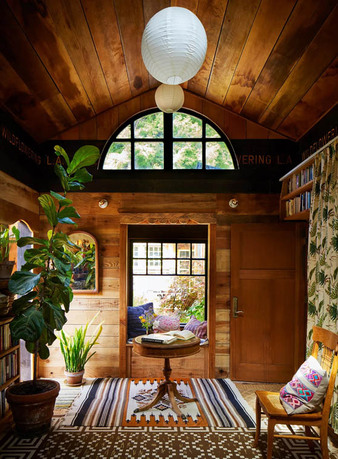
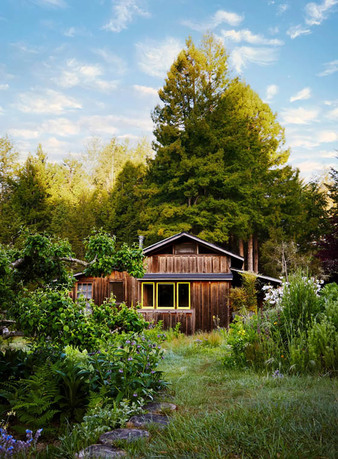
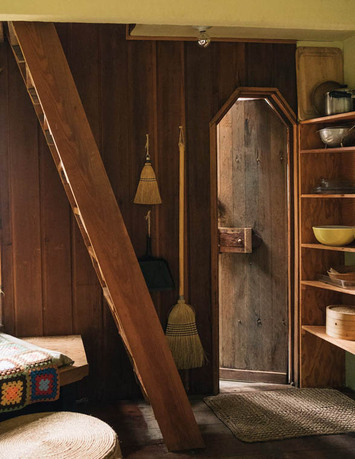
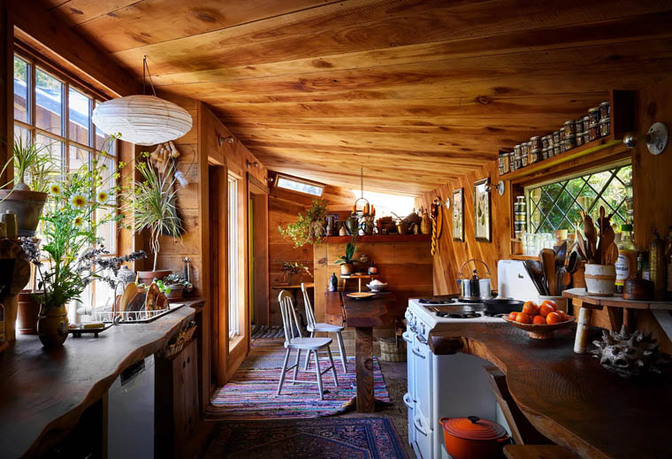
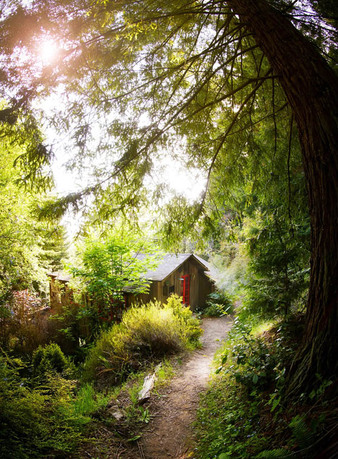
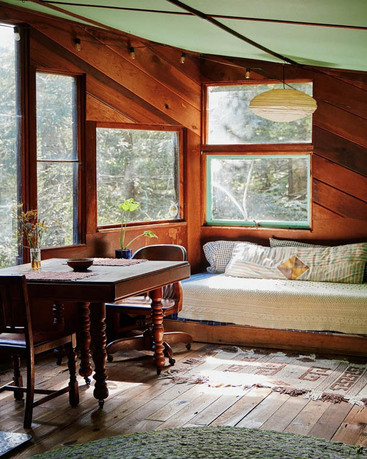
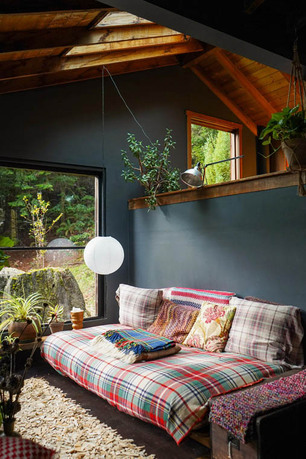
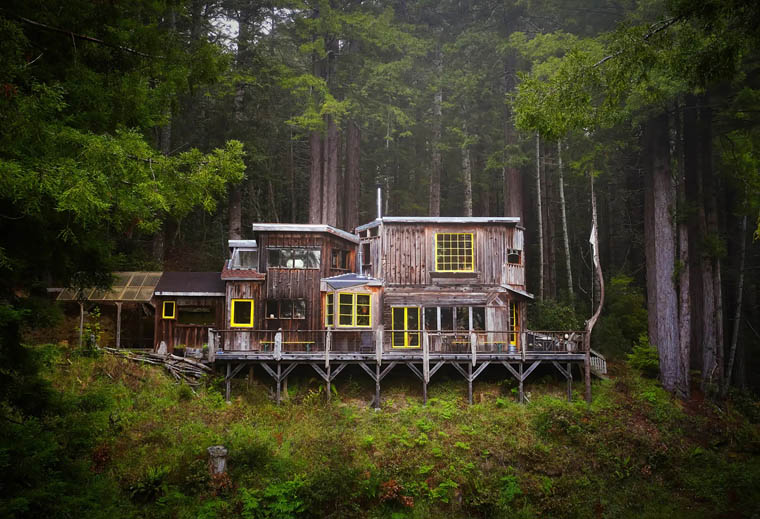
Thomas Loof, “Cabin 3, Dawn,” Albion, California, 2023. Digital photograph. Courtesy Salmon Creek Farm
Salmon Creek Arts (SCA) is an ongoing experiment in living with the land. This publication documents a little over the first decade (2014–26) of SCF. Chronicling the creation of SCA, the book centers the architectural restoration and social reanimation of the original commune from the 1970s, which is situated on 33 acres of unceded indigenous Pomo land in Northern California. The book compiles photographs and archival material from the early cabin rehabilitation and land cultivation projects. It illustrates how the preservation of the original commune architecture helped the artists who came to work on the land build ties to the local ecosystems of the Mendocino coast. In this way, the publication highlights the extended world of SCA, through its original building infrastructure. This publication and its associated programs treat architecture not as a static object, but as a site of intergenerational colearning, and connectivity.
The work of Fritz Haeg includes edible gardens, public dances, educational environments, animals’ homes, domestic gatherings, urban parades, temporary encampments, documentary videos, publications, exhibitions, and buildings for people. Recent projects include Sundown Schoolhouse—an itinerant educational program; Edible Estates—working with families to publicly grow food where they live; and Animal Estates—making homes for native animals in cities around the world, which debuted at the 2008 Whitney Biennial. Haeg studied architecture in Italy at the Università Iuav di Venezia and Carnegie Mellon University. He is a 2010 Rome Prize Fellow and has produced projects and exhibited work at Tate Modern; SALT Beyoglu, Istanbul; the Hayward Gallery, London; the Liverpool Biennial; the Whitney Museum of American Art; San Francisco Museum of Art; Casco, Utrecht; Massachusetts Museum of Contemporary Art; among others. The Sundown Salon Unfolding Archive (Evil Twin) was released in 2009, and the third edition of Edible Estates: Attack on the Front Lawn (Metropolis Books) was released in 2013.
Stacy Wakefield Forte is an author and art director whose projects center a radical approach to domestic space. Her published books include Not For Rent: Conversations with Creative Activists in the U.K. (Evil Twin Publications, 2003); The Sunshine Crust Baking Factory (Akashic Books, 2015); and Kill City: photographs by Ash Thayer (powerHouse Books, 2015), each covering New York and European squatting movements. Books edited and art-directed by Forte include Show Dogs: A Photographic Breed Guide (artbook|D.A.P, 2010) and Please Take Me Off the Guest List (Akashic, 2010). Her limited-edition artists’ books are in the permanent collections of the Whitney Museum, The Museum of Modern Art, and the Tate, among others. She studied at Rhode Island School of Design and graduated with a specialization in book design from the Gerrit Rietveld Academie in Amsterdam. She is currently associate art director for the Union Square & Co. imprint at Hachette in New York City.
Salmon Creek Arts fosters experimental, collaborative arts practices rooted in radical hospitality, architecture, and ecology through land stewardship and preservation of a thirty-three-acre sanctuary of coastal redwood habitat on Central Pomo land. Once a 1970s commune, it is now a live-work community where inter-generational BIPOC and LGBTQ+ artists are welcomed into rural space to learn from the land as a primary teacher. Artist Fritz Haeg purchased the property in 2014 from the original thirteen shareholders of the commune. The nonprofit Salmon Creek Arts was formed in 2022 to (a.) establish an independent, self-sustaining organization to take over operations, programming, and eventually ownership of Salmon Creek Farm; (b.) to remove financial barriers to visiting artists, especially those from underrepresented communities who may not otherwise have access to rural spaces; and (c.) to offer artists the space and time to engage deeply with land, ecology, climate, and community.
Copyright © 2008–2026 Graham Foundation. All rights reserved.